What is the definition of existence?
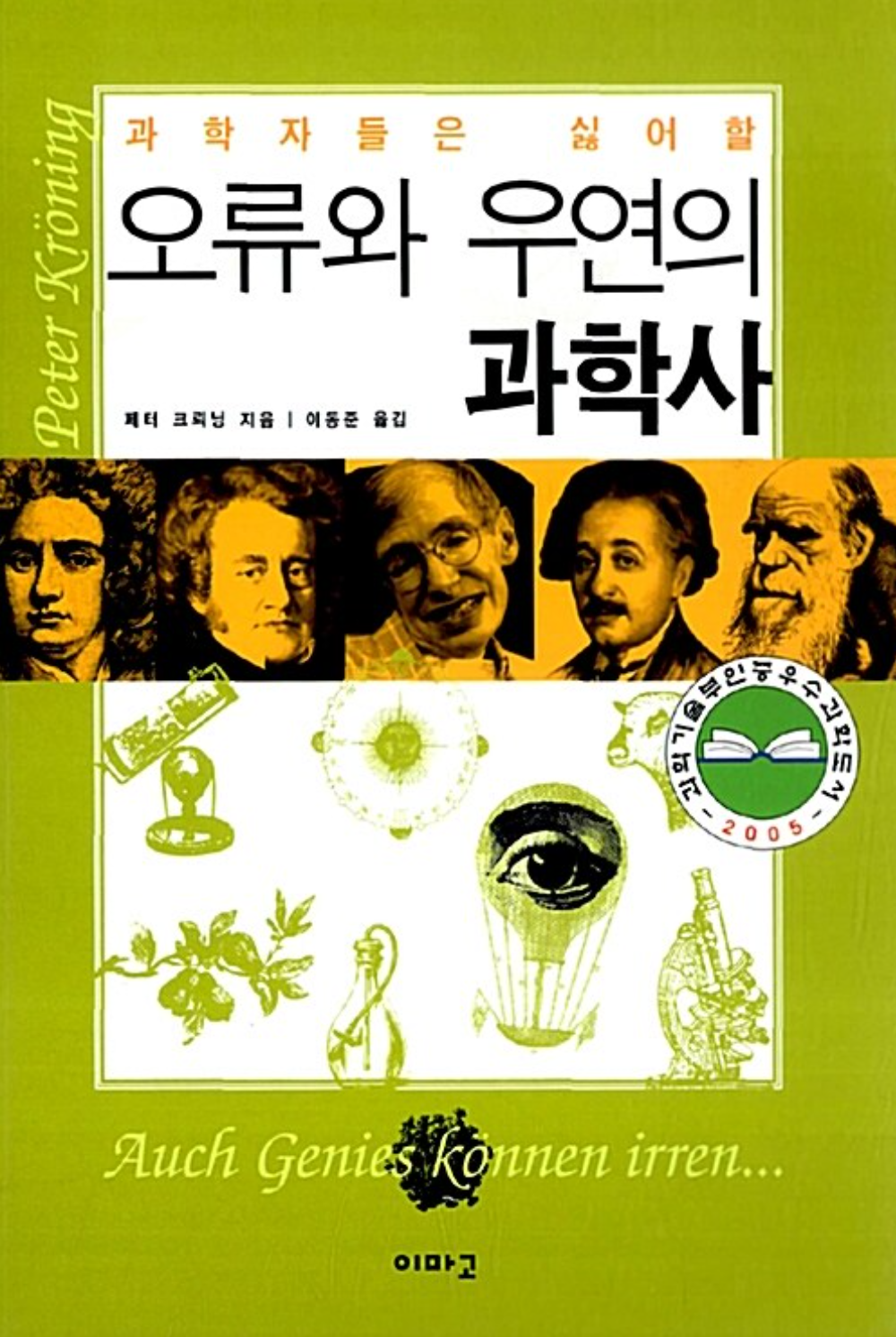
When I was around 13, I read this book. I remember a passage about Heisenberg’s uncertainty principle.
I understood very little about quantum mechanics. What I took from it was the idea that something could exist probabilistically, which made me wonder what “existence” actually means.
Does something have to be physically present? Tangible? Or does it exist only when I recognize that it exists?
If physical existence is a “realization” of something beyond human perception, how could I understand it? Isn’t perception itself limited by the brain?
Pondering these questions, I came up with a strange question:
아무것도 ‘존재하지 않는다’는 말자체에 모순이 있는것 같다. 존재하지 않으려면 그 없음이 존재해야되는것 아닌가?
To say that nothing exists seems to require that nothingness itself exists.
If there were parts of the universe that science could not explain, were those parts governed by God? Was this why people turned to religion? Was science broken from the ground up?
I grew up going to church with my mother every weekend. My name Anthony comes from Antonio, the name I received in the Catholic Church, though I’m an atheist now.
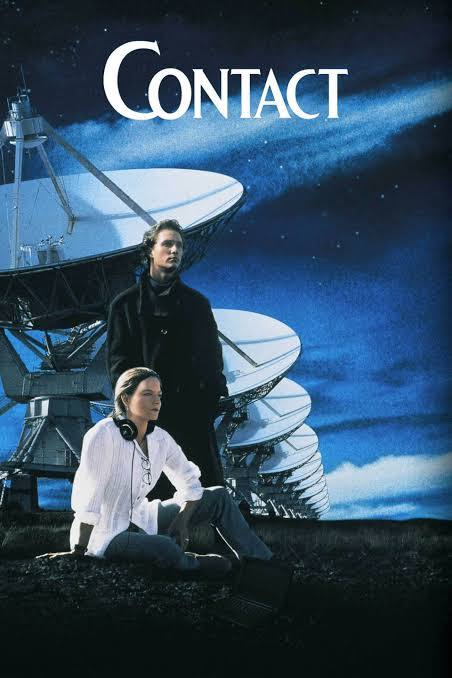
Contact is a beautiful portrayal of the bridge between science and religion.
I later came across discussions of nothingness and nonexistence and realized that other people had been asking very similar questions.
Over time, I began to see philosophical questions like these beneath the foundations of mathematics. I started looking at the world through a mathematical lens.